
Convocado por
Alcance geográfico
Fecha/hora
Para:
Ubicación
Afiliaciones
Curador
Idioma
Registration Status
Fecha límite de registro:
Por favor, revise los detalles a continuación para obtener información sobre la inscripción si está disponible o contacte al Coordinador si desea asistir
Descripción
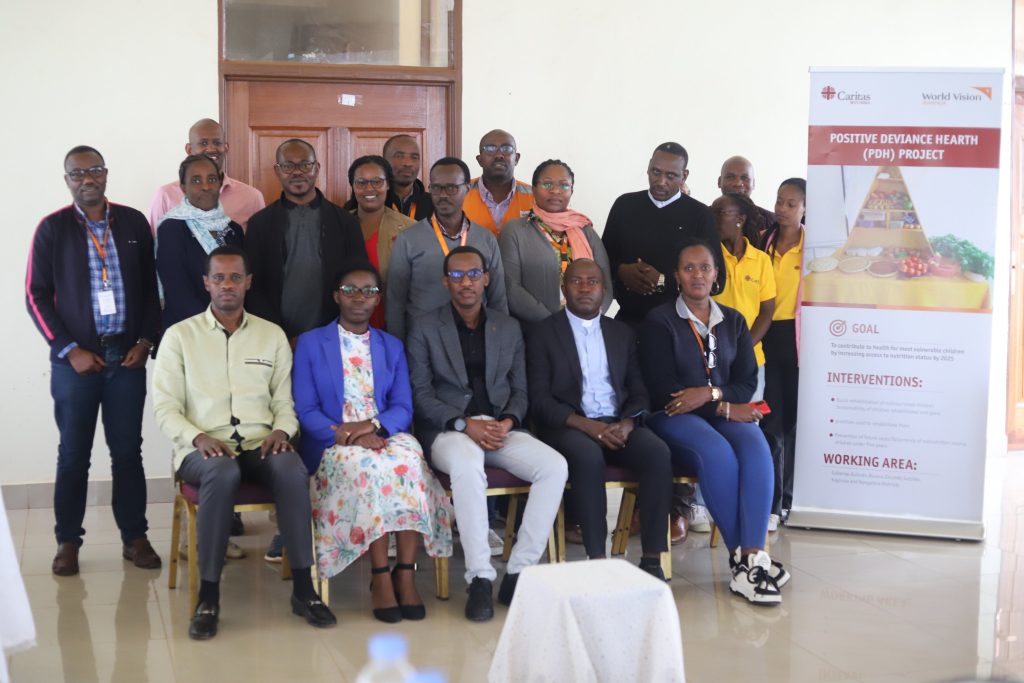
Gicumbi district, 22 January 2026:
Activity: NUTRITION DIALOGUE DONE BY PARTNERS SUCH AS WORLD VISION RWANDA, AEE AND CARITAS BYUMBA.
The Nutrition Dialogue highlighted that child malnutrition is not only a health issue but a multi-dimensional challenge rooted in feeding practices, household behavior, food access, care practices, and community support systems. Participants emphasized that adequate nutrition during the first 1,000 days of life from pregnancy to a child’s second birthday is critical for physical growth, brain development, and long-term wellbeing. Poor infant and young child feeding practices, limited dietary diversity, and inadequate caregiver knowledge were identified as major drivers of malnutrition among children under five.
The dialogue underscored the importance of promoting balanced diets using locally available foods, ensuring that children receive adequate portions of carbohydrates, proteins, vitamins, and minerals. Participants discussed the role of exclusive breastfeeding, timely complementary feeding, proper food preparation, hygiene, and sanitation as essential pillars of good nutrition. It was also acknowledged that poverty, seasonal food insecurity, climate variability, and limited access to nutrition services continue to increase vulnerability among families.
Strong emphasis was placed on the need for a multi-sectoral and community-driven approach, involving health services, agriculture, social protection, faith-based institutions, and local leadership. Participants highlighted that sustainable improvements in child nutrition require behavior change, male engagement, family cohesion, and community ownership rather than short-term solutions alone. Aligning community actions with national nutrition priorities and the Zero Hunger (SDG 2) agenda was seen as a key pathway to ensuring that every child has the opportunity to grow healthy and thrive.
Overall, the dialogue fostered a shared commitment to transforming nutrition outcomes through collective action, practical learning, and long-term investment in families and children, reinforcing the belief that ending malnutrition is achievable when communities are empowered and supported.
Agradecimientos
Por favor, inicie sesión o regístrese en el Portal para contactar a este Coordinador