
Convoqué par
Portée géographique
Date/heure
À :
Lieu
Affiliations
Curateur
Langue
Registration Status
Date limite d'inscription :
Veuillez consulter les détails ci-dessous pour obtenir des informations sur l'inscription si elles sont disponibles ou contacter le Coordinateur si vous souhaitez participer
Description
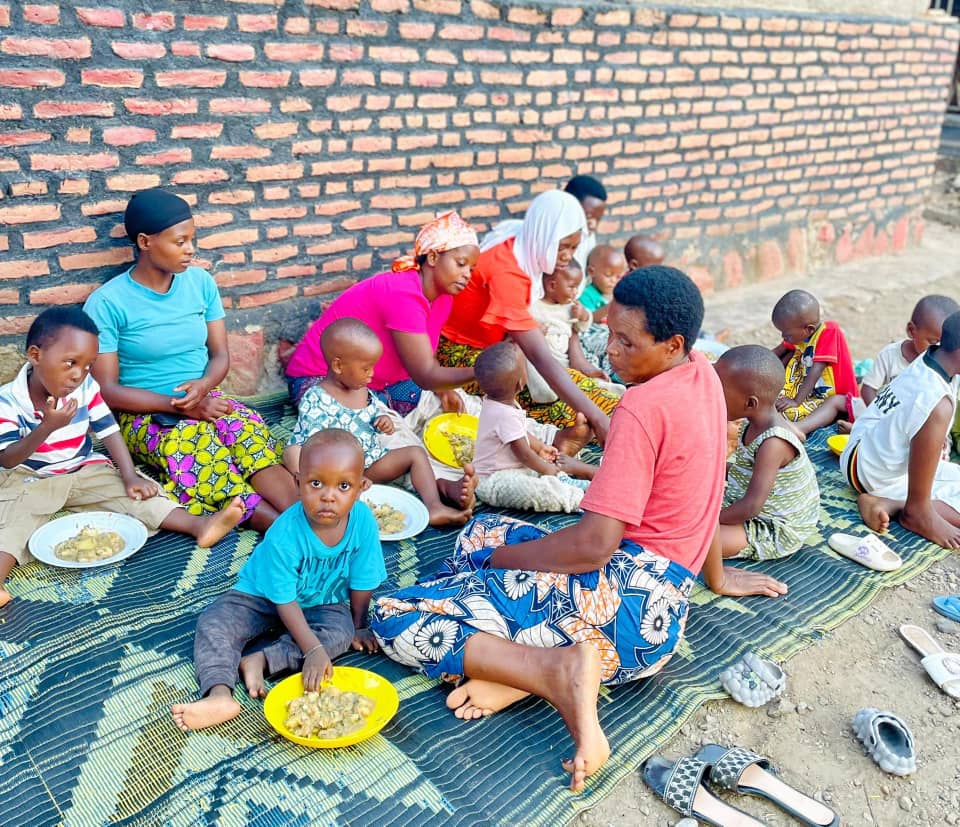
In Kabusunzu Village, located in Bugarama Sector of Rusizi District, AEE Rwanda is implementing prevention and rehabilitation of malnutrition in the area where a 12-day of Positive Deviance (PD) Hearth model is used to combat malnutrition among young children under five. At this village PD Hearth site, recently, the parents completed 12 days of learning and cooking a balanced diet for their children, helped by CHWs. The community has long faced challenges such as limited dietary diversity, poor child feeding practices, and a general lack of knowledge on optimal nutrition. These barriers, compounded by food insecurity and poor sanitation, placed many children at risk of malnutrition.
The Positive Deviance approach brought together caregivers and community health workers for 12 consecutive days of interactive learning and practical demonstrations. Mothers were taught how to prepare balanced meals using locally available and affordable ingredients. They also received education on hygiene, breastfeeding, child feeding frequency, and food preparation. This initiative was coordinated with support from the AEE-Rwanda in collaboration with health facilities and World Vision International Rwanda as well as local health workers, community nutrition volunteers, and local leaders, all committed to changing the narrative of child health in Kabusunzu.
By the twelfth day, a remarkable transformation had taken place. Among a total of 12 children screened for malnutrition at day 1 of PDH, all were undernourished compared to their age and weight. At day 12, all children had gained adequate weight and more (at least 200g as recommended by the PDH Approach guide). Caregivers reported improvements in their children’s appetite, energy levels, and overall mood. Beyond the numbers, families began to adopt the new feeding and hygiene practices at home. The community is now more aware of how small, sustainable changes in everyday practices can lead to big improvements in child health.
The success of the Positive Deviance Hearth in Kabusunzu shows that solutions often exist within the community. By identifying and replicating the positive behaviors of well-nourished children from similar households, families learned that nutrition doesn’t always require expensive resources—just the right knowledge and commitment.
“We thought we needed special food, but now we know we can nourish our children with what we have at home,” shared one participating mother.
Remerciements
Veuillez vous connecter ou vous inscrire sur le Portail pour contacter ce Coordinateur