
Convoqué par
Portée géographique
Date/heure
À :
Lieu
Affiliations
Curateur
Langue
Registration Status
Date limite d'inscription :
Veuillez consulter les détails ci-dessous pour obtenir des informations sur l'inscription si elles sont disponibles ou contacter le Coordinateur si vous souhaitez participer
Description
STRENGTHENING COMMUNITY ACTION AGAINST CHILD MALNUTRITION THROUGH THE POSITIVE DEVIANCE HEARTH APPROACH IN GICUMBI
Gicumbi District, Rwanda 26–28 August 2026
Child malnutrition remains a significant concern in Gicumbi District, despite progress recorded in recent years. According to the Rwanda Demographic and Health Survey , stunting among children under five declined from 42.2% in 2019/20 to 38.8% in 2025. Meanwhile, among children under two, stunting declined from 37% in 2020 to 21% in 2024. These figures highlight the importance of sustained and coordinated action to accelerate progress in preventing and addressing child malnutrition.
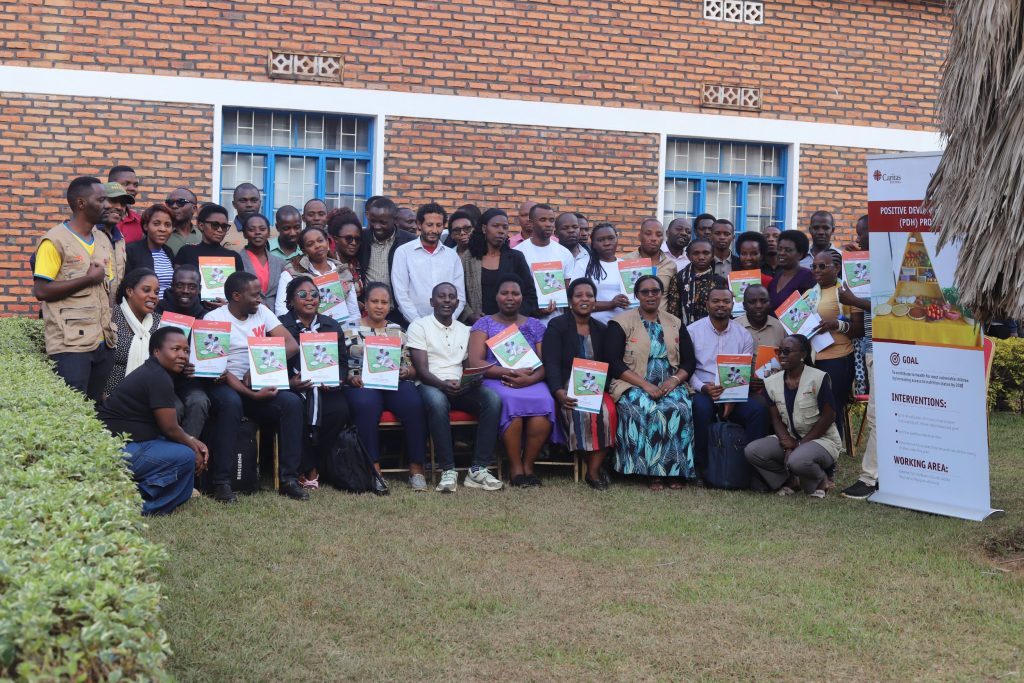
To strengthen this response, World Vision Rwanda, in partnership with the Diocese of Byumba/Caritas Byumba and Gicumbi District, conducted a three-day training on the Positive Deviance Hearth (PDH) Model Approach from 26–28 August 2026 at Centre d’Accueil FIAT. The training was conducted under the Professional Umuganda initiative and brought together key actors from district, hospital, health centre and sector levels to strengthen their knowledge and practical capacity to prevent and rehabilitate child malnutrition.
During the training, participants explored the importance of early identification of malnutrition through child screening and the role of communities in preventing and addressing malnutrition. The PDH approach places communities at the centre by identifying positive practices within households and communities and strengthening caregivers’ ability to use locally available resources to improve children’s nutrition. The approach aims to reduce malnutrition among children under five, strengthen local capacity for rehabilitation, and prevent future malnutrition.
Fr. Augustin NZABONIMANA, Director of Caritas Byumba, emphasized the importance of consistency and collective commitment in the fight against malnutrition, highlighting the role of Professional Umuganda in strengthening the capacity of local leaders and professionals. He stressed that the success of the initiative depends on sustained collaboration among institutions, professionals, local leaders, partners and communities.
Emma Marie Bana, WASH and Nutrition Programme Coordinator in the WVR-Buranga Cluster, explained that World Vision Rwanda had previously implemented interventions in Kageyo and Mutete Sectors and that the approach was being expanded across Gicumbi District to ensure that efforts to address child malnutrition reach all levels. She emphasized prevention, rehabilitation and early screening, calling for collective responsibility in the fight against malnutrition.
Representing Gicumbi District authorities, Jean Marie Vianney Mbonyintwari, Vice Mayor in charge of Social Affairs, reaffirmed the District’s commitment to the training and its implementation at community level. He emphasized that the knowledge and skills gained should be translated into practical action within communities, while also highlighting the importance of understanding different forms of malnutrition and the challenges faced by households, including insufficient food, difficult terrain and long journeys in mountainous areas.
The training strengthened the capacity of frontline professionals and local leaders to bring practical nutrition actions closer to families. Through the collaboration of World Vision Rwanda, Caritas Byumba and Gicumbi District, the PDH approach provides an opportunity to build on positive community practices, promote the use of locally available resources and strengthen collective action to prevent and rehabilitate child malnutrition.
KEY MESSAGE
Fighting child malnutrition requires sustained collaboration between families, communities, health professionals, local leaders, government institutions and development partners. By strengthening local capacity and translating knowledge into practical community action, the PDH approach can contribute to healthier children and stronger families.
Remerciements
Veuillez vous connecter ou vous inscrire sur le Portail pour contacter ce Coordinateur